Welcome To My Blog |
|
Welcome To My Blog |
|
|
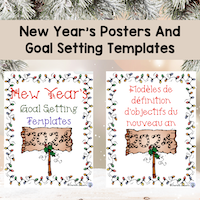
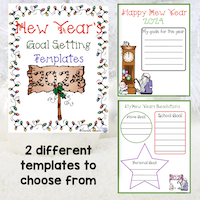
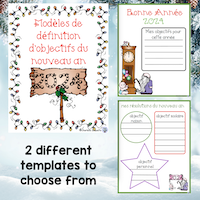
The holidays are over and it is time to jump back into academics. This sometimes takes some time as the structure and routines are reestablished. Getting settled after the Christmas break may require not only activities to make kids comfortable and help them get regrounded and back into routines, but also some activities that inspire and excite them as they get back to academics. 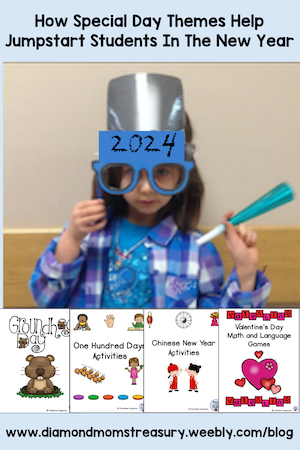 January and February are full of different celebrations that can be the focus of activities as academics are reintroduced. Here are a few ideas and resources that might be fun to try. Goal settingFor January, goal setting is a great idea. It can be a way to make a fresh start and provide a focus for upcoming months. These goals can also be used as a focal point for upcoming student led conferences in the spring. Here are some templates that might be helpful.
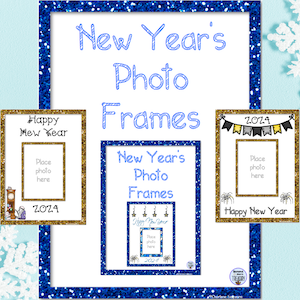
It is important to make sure that children understand that they have accomplished many things as well. They need to focus on what they can do well and then choose things that they wish to improve. These stars and wishes could be personal, academic, or general. It is up to the kids to identify what their strengths are, but they may need some guidance at the beginning. Perhaps they could ask others what they think. We can be our worst critics and we may not see what others see, so having others share what they notice could be helpful and empowering. Here is a template to fill out and keep as a reminder. Grab a free copy now. 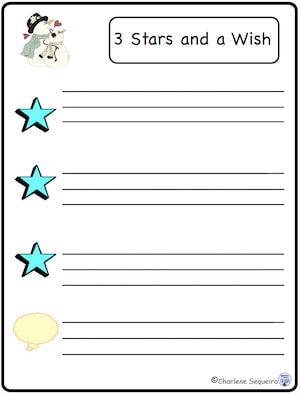 Ringing in the New YearMany families celebrated on New Year's Eve. Some of your students may have been able to join in as well. They may have had fun activities to do and noise makers or fireworks may have been part of the celebration as well. Others may not have had this experience. Why not have a class celebration to start off the New Year. Try creating photo booth images and a bulletin board display. Many stores are clearing out New Years items so you may be able to get some hats, blowers, and maybe even glasses to add to the fun. Here are some templates that could work as frames for the photo booth pictures. They include frames without the year so they can be used for future years if you are not ready to use them this year.
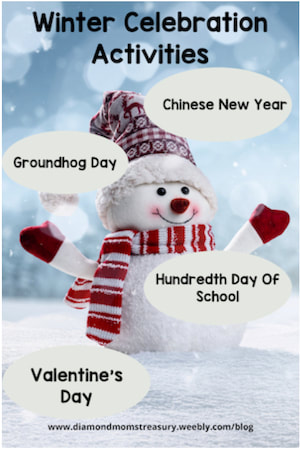
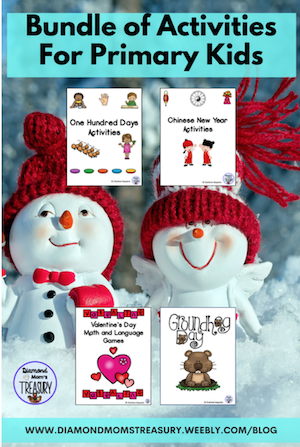
Groundhog DayFebruary 2nd kids wait to find out if the groundhog has predicted an early spring or another 6 weeks of winter. Here are some math and language activities as well as a couple of mazes that might be fun to try. 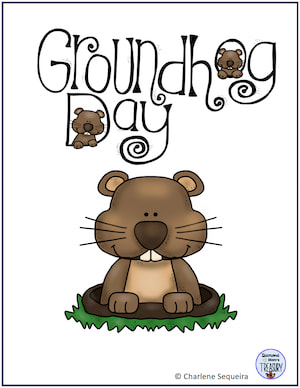 Other Winter CelebrationsChinese New Year, Hundreds Day, and Valentine's Days are 3 other winter celebrations that kids love to celebrate. Here are some activities for those special days.
No matter the celebration, hands on fun activities can help to engage kids in their learning. They can be used as a jumping off point before introducing new concepts, or they can be the theme for writing or research. It's up to your creativity and needs as you plan your lessons. 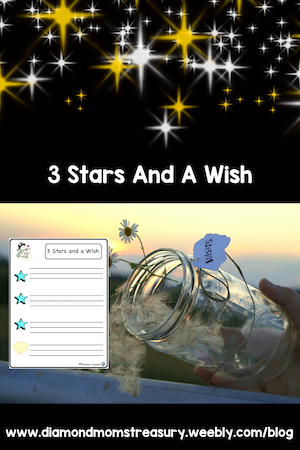 Here's to having fun and learning as the New Year begins.   Related Posts
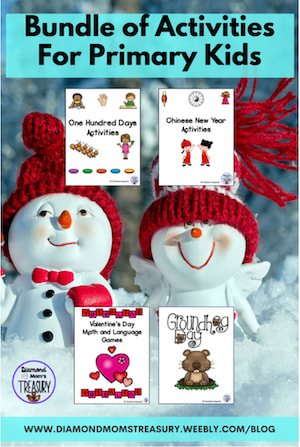
Happy New Year Everyone! Wishing you a prosperous and healthy 2024. I hope you had a wonderful Christmas season.  I have enjoyed sharing tips and ideas with you throughout the year and I look forward to continuing to share more this year. If you are still on holidays, enjoy them and remember to relax and refresh. If you are returning to work this week, I hope you have a pleasant week and that the rest of the school year is not too stressful. Try to enjoy the time with your students and remember to schedule in some time for yourself. 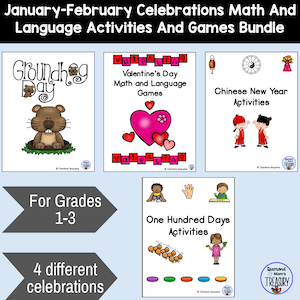 If you are looking for some activities that will be fun to do for the various celebrations in January and February, this bundle might work well for you.  As the weather begins to warm up and the sunshine brightens our days, other things can warm our heart as well. This is the time of year to think about special people and all that they have done for us. From caring for us to little acts of kindness, we have been blessed to have these people in our lives. Special Days For Special PeopleSome of the most popular special celebrations at this time of the year are Mother's Day, Father's Day, Teacher Appreciation Day/Week, and Volunteer Appreciation. Here are a few ideas and resources to help with these celebrations.  Mother's Day/Father's DayAs family dynamics change, it makes it more difficult to focus on some celebrations, Mother's Day and Father's Day are two that have been traditionally celebrated over the years and time has been spent making gifts and cards at school for these special days. However, it is more complicated now and we need to take into consideration those who might find this a challenge and help them to feel included and comfortable participating. If a mother or father is not part of the picture, a special lady or special man in the person's life can be the focus instead.  Mother's Day (Special Lady) There are many special women that can be acknowledged on this day. They may be mothers, grandmothers, aunts, step mothers, foster mothers, friends of the family, neighbors, or even teachers. These women are special for various different reasons, but they are important in our lives. If a child has more than one "mother figure" and wishes to celebrate these special ladies, it's important to give them that opportunity. Here are some resources that may be of interest for Mother's Day. Mother's Day Certificates Mother's Day Booklets And Cards Special Mother's Day Coupons And Acrostic Special Day Coupons, Templates And Acrostics (for mothers, fathers, and generic) 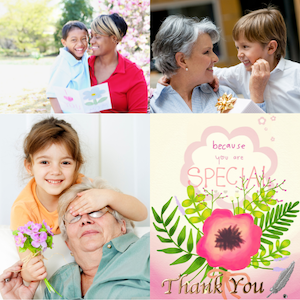 Father's Day (Special Man) As with mothers, kids may want to celebrate different special men in their lives. They may be fathers, grandfathers, uncles, step fathers, foster fathers, friends of the family, neighbors, or even teachers. These men provide different roles in their lives, but they are important to the child. Opportunities need to be provided to acknowledge them as well. Here are some resources that may be of interest for Father's Day. Father's Day Cards For Dads And Other Special Men Father's Day Cards And Posters Special Day Coupons, Templates And Acrostics (for mothers, fathers, and generic) 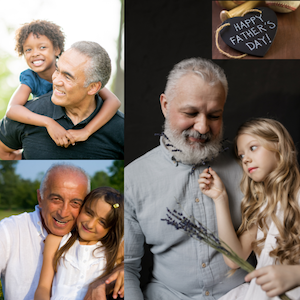 Teacher Appreciation Day/WeekTeachers do so much for our children. It is only fitting that they be celebrated. They have had a tough time during these last few years dealing with the pandemic and the residual effects of varied learning experiences as a result. They continue to show up and give their all every day, even when they are struggling. Teacher appreciation day or week, depending on where you are, is just a small acknowledgement of their impact on our children's lives. Every little thank you token of appreciation is special to them. Don't forget to let them know how much you appreciate them. Support staff and educational assistants are also important and should be included in these celebrations. There are so many things they do to help teachers and support learning.  Volunteer AppreciationMany schools have volunteer appreciation days or teas to thank volunteers for all they do for the school. This could be the parent groups, classroom helpers, individual parents, or people from the community. All of these people help the programs and school run better. Helpers are always needed, and we want to make sure they are not taken for granted. Every school or district is different, but here is an example from what we have done at our school. The classes would meet in the gymnasium and the volunteers would be invited to enter after every class was there. The students would give them a standing ovation as they entered the gym. This would be followed by some entertainment and then a strawberry tea. The students would be in class or outside playing while the tea was happening. The senior students would serve the volunteers. Place mats and thank you cards were made for the tables. Plants were also provided to decorate and then take home. Here are some place mats and thank you cards that I created for use at our tea. Helping Hands Thank You Notes  Whatever the special occasion, it's a chance to say thank you and let people know that you appreciate them. So many times people feel taken for granted and this little acknowledgement can warm their hearts and help them to keep going.  Thank you to all the special people in my life. You have given me so much and I truly am blessed to have you as part of my life. I may not say it often enough, but I do appreciate you. Related Posts
It is Christmas! Christmas has been very different for the past couple of years due to the pandemic and restrictions. It is nice to have a more normal Christmas break this year. I am really happy to have a family Christmas. Last year, my daughter's family tested positive for Covid on Christmas Eve and we needed to quickly make different plans. The longterm home where my mother-in-law lives went into very strict restrictions on New Year's Eve and for 3 months I was the only person allowed to see her. Not what we were hoping for. It made the holidays bittersweet. Our Christmas wishes became musical videos for each other. Here is the one we shared last Christmas. Our kids also made music videos for us. Here is a parody our son made to ours. Here are the family videos made by some of our kids and their families. Carols and music are a special part of Christmas. I hope you enjoy listening to these ones. I know they have special meaning for us, but they can also bring joy to others as we think of Christmas and family time. Finally, this is my daughter and her kids singing Away In The Manger for a virtual Christmas service for her church. I could go on and on about music and how it has impacted our family, but let's just say it is more than a hobby. It is something that is of great meaning to us. As you can see from this photo, even the grandchildren play musical instruments. I am pretty sure we will have other musical moments to share in the future. 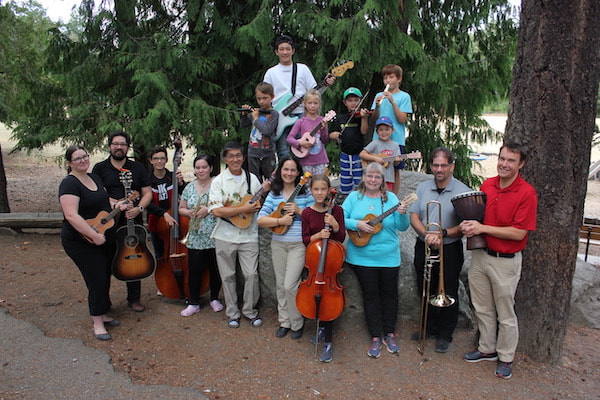 I hope that you are able to have some special moments with family this holiday season. Enjoy your holiday break. See you in the New Year.   It's that time of year again! Christmas is just 2 weeks away and a new year is around the corner. The New Year is a special occasion for kids, and there are plenty of ways to make it special in the classroom. With games and activities to teach skills and concepts, you can use special occasions to start out the year with fun. This is also a great time to refresh and set goals and prepare for new themes and units. 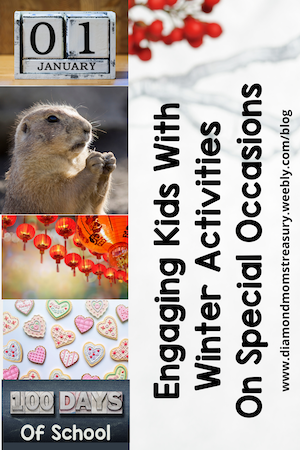 Here are some ideas for celebrating special days in the new year. New Year's DayAlthough New Year's Day is usually a holiday, it can be the focus on the first day back after the winter break. New Year's Day is considered a day for setting goals and resolutions. Here are some ideas for making this meaningful. 1. Create a school goal, a personal goal, and a home goal and write them down. Put them on fancy paper and place it inside a personal planning folder. Throughout the year, look at them and see if they are still working. This is a good time to reflect on realistic goals and on followthrough. If they are working, celebrate. If not, make some adjustments and carry on. At the end of the school year, revisit the goals again. Grab a free copy by clicking the image below. 2. Set some class goals for the new year and maybe even a goal tracker to see how well the class is doing. There could be a reward schedule also for various accomplishments along the way. 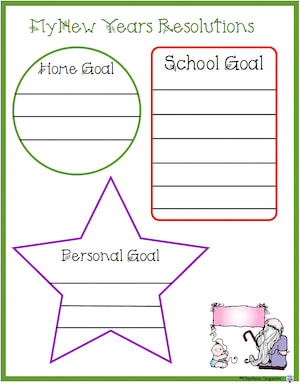 Creating a photo booth album for the class could also be fun. Check out this selection of different photo booth frames. 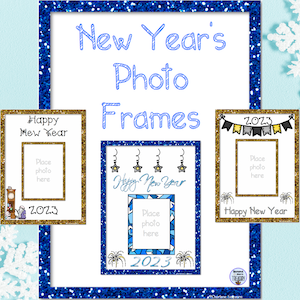 Groundhog DayGroundhog Day is a fun occasion that is great for teaching many different science concepts. It is a perfect time for doing a weather focus, lessons on seasons, hibernation, shadows, and of course, groundhogs. It is also a time to talk about predictions. There are many other activities you can do as well. You can read books about groundhogs, guess whether or not the groundhog will see his shadow and make a graph of the predictions, and check out whether or not the groundhog did predict an early spring or more winter. You can also do other fun math activities with a groundhog theme. 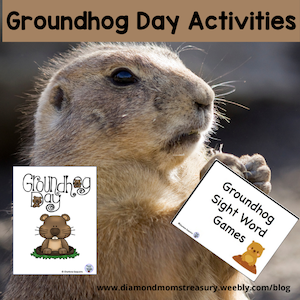 Chinese New Year/ Lunar New YearChinese New Year or the Lunar New Year is important in many different countries. This is a time to learn about different cultures and traditions. Read books, watch videos, and try some traditional foods as part of your celebrations. And for a fun math activity, have your students use dots (or coins) to create patterns with the lucky number 8. In North America we are most familiar with Chinese New Year and the animal zodiac. There are lots of activities that can be done to explore this further. Other places that celebrate the Lunar New Year may have different traditions and activities that they follow. It might be interesting to make some comparisons of how they are the same and different. 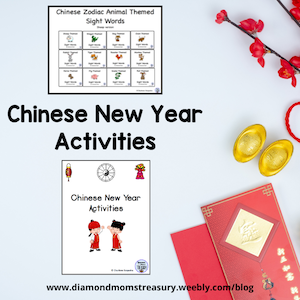 Valentine's DayValentines Day is always a fun day for kids. It is the perfect time to talk about friendship and acts of kindness for others. One year my class tried to come up with 4 or 5 acts of friendship each and we made hearts with these on them and posted them on the bulletin board. It was great to see how this created a positive focus in the classroom. There are many language games that can be done such as sight word bingo, rhyming games, vocabulary activities, and conversation starters. Students can practice writing poems or making conversation hearts. It is also a great time to teach how to write friendly letters. 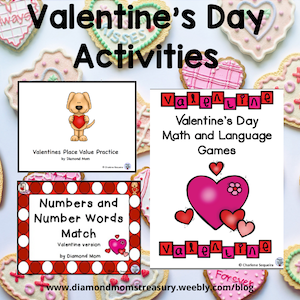 Hundreds DayHundreds Day is a day of celebration in many primary classroom because it marks the hundredth day of school. There are so many different activities that can be done to celebrate this day. Hundreds Day is a perfect occasion for math activities! Students can count by ones, twos, fives, and tens to 100. They can also make patterns with 100 objects or solve word problems involving 100 objects. This is also a great day to introduce place value concepts such as ones, tens, and hundreds. Dressing up as someone who is one hundred is also a popular activity to try. It is also a great time to think about what life might have been like a hundred years ago. 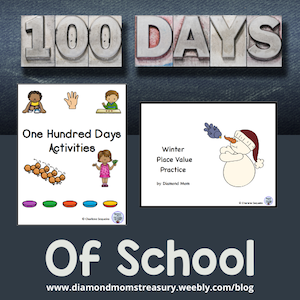 No matter what special days you choose to celebrate in your classroom, remember that the most important thing is to have fun! Enjoy these special occasions with your kids. They'll be sure to remember them for years to come. If you are interested in any of the resources in the images above, you can check them out here.   Related Posts
Preparing for Father's DayJune is coming and this is a time for celebrating Father's Day with dads and other special men. This can create a wide range of emotions for kids. Celebrating our fathers and spending time thinking about them and all they mean to us is easy for most of us, but there are many situations where it is not as easy, and it can even be traumatic. Does this mean that we shouldn't do things to recognize fathers? I guess that is a question for each teacher to decide. For me, I still think it is important, although I do think it can be approached in a more inclusive way.  There are often situations where the father is not part of the family unit. In these cases, there are possibly other men who fill some of that void and act as a father figure. They could be uncles, step dads, foster dads, grandfathers, a family friend, teacher, even an older brother. These special men could be celebrated on this day and recognized for all they do. 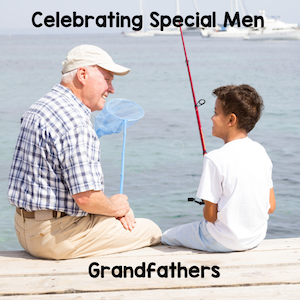 Sometimes the relationship between a father and child is not good. The child may not feel comfortable creating something for the father. Maybe there could be some choice as to whether to do something for another special person, or to create something more generic. It is up to you as the teacher to help the child to feel comfortable during the activity and sometimes this may be differentiating in a unique way for individual children.  Ultimately, we want to be able to celebrate people for how they positively impact our lives. During discussions with our students, this can be a focus. Gratitude is very important to understand and teach. This is one of the ways we can do this. In a "Me" world, it is necessary to actually help kids understand the importance of thinking about others and being grateful for all we have and for all that others do for us.  Some Father's Day Ideas That Celebrate Special MenIf you are making a gift, it can be used for anyone if it doesn't have the word "father" or "Dad" on it. You could create cards for special people and leave out "Happy Father's Day". You could do writing activities that are about special people and what makes them special. You could do acrostics using different words that fit the special men in their lives. 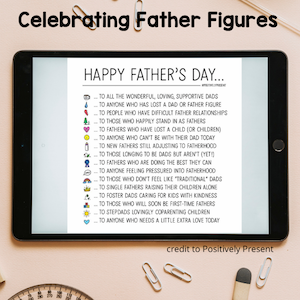 Father's Day cards are always a hit. I have created a couple of different packages of cards. Father's Day Cards and Posters Father's Day Cards For Dads And Other Special Men   Related Posts
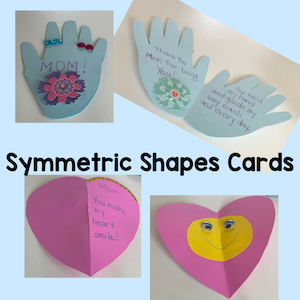
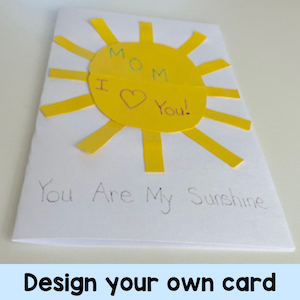
Who Are Special Ladies?Mother's Day is a time for celebrating special ladies. These could be moms, aunts, grandmothers, foster moms, cat moms, dog moms or any lady that is special and deserves to be celebrated. I know this can be a difficult time for some children, because they may not have a mom or they may not have a situation that they want to celebrate, but we can always find a special lady in our lives, so I would encourage you to help these kids find a special woman that means something to them. Hey, it could even be a teacher.  If you are like many teachers, you probably have a stash of dollar store items for creating things. Over the years, I collected many different things for my classroom. I also liked doing crafts with my grandkids, so I collected things for them as well. When a special occasion comes up, I go to my stash and I start to let the creativity flow. I never know what it will be until I start putting things together. Of course, I start with simple ideas like cards or bookmarks, and go from there. 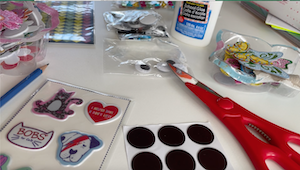 Some special cards for Mother's DayHere are a couple of card ideas I put together to show what you can do. I started with a folded shape that opens up to a symmetrical pattern. You can choose any shape you would like, but for the example I chose a hand and a heart. Note: If you are teaching symmetry in math, this is a great activity to practice what has been learned. Another card example was a basic one with a sun on it and a blank page inside for writing a special message. Again, this could be any shape or design, I just felt like using the sun because it was a bright sunny day outside.
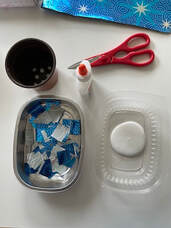
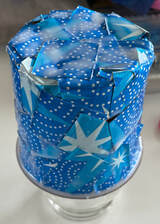
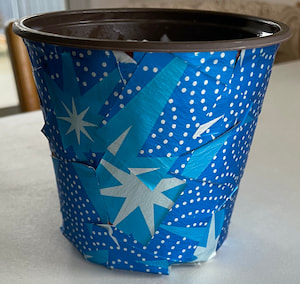
Bookmarks are easy to make and are fun to use. There are many different types of bookmarks you can try. Here are some with fancy toppers. Just add your own message and you are set. Hint: Laminate the bookmarks after you add the message, but before you add the toppers, so that it is easier for writing out the message. 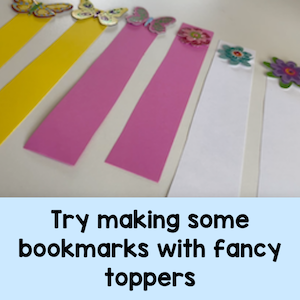 A Unique Flower PotIt is spring time, so there are many different pots available from seedlings that are ready to put into the garden. It is also the time of year when many classes study plants and grow beans or other seeds and then give them as gifts. What better time to decorate pots for the plants to go into. It is actually very easy to make a decorative pot. You can use acrylic paint and create designs on it or you can decopage it. You don't require any fancy materials to do this. I often used wrapping paper cut into small cubes and a mixture of white glue and water. You can buy the commercial product, but the glue mixture works just as well. Once the pot is dry, I spray it with an acrylic spray to give it a shine.
Each time you make something, you can add a twist to make it different and unique. Let your creativity flow as you try out new ideas. Imagination has no limitations! 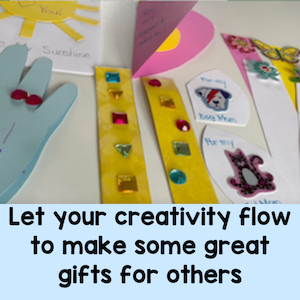 I hope you have some fun as you come up with new ideas for your students. I would love to hear about some of them.  For free resources, tips, and ideas, sign up for my newsletter.  Related Posts
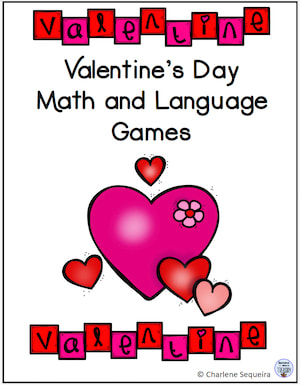
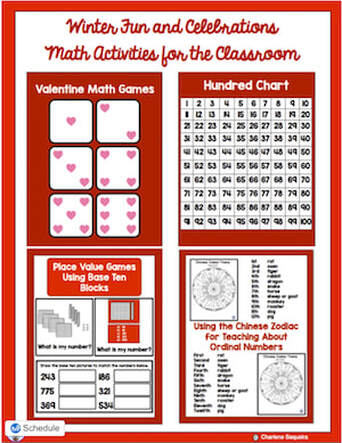
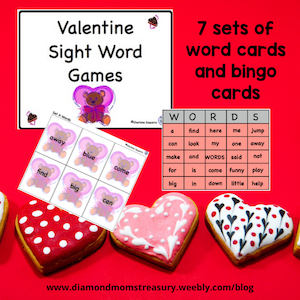
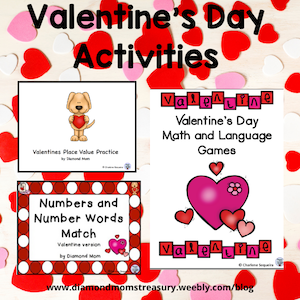
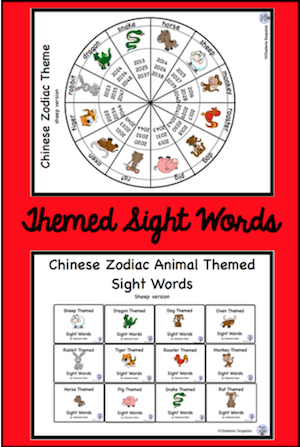
Winter Celebrations Are ApproachingIt's time again to celebrate as we approach February and all the various celebrations and special days that are happening soon. We have Chinese New Year, Hundredth Day of School, Groundhog Day, Valentines Day and in some cases other special days as well. What better time to add a little fun and theme into daily lessons than now.  First up is Chinese New Year. This celebration lasts for two weeks, so it can actually be a focus for more than one day. Kids love to hear the story of the animals in the Great Race and learn about the zodiac animals and the years they are linked to. This year is the year of the Tiger. Why not use a tiger theme when doing activities to do with Chinese New Year. I have a bundle of sight words that features each of the different animals of the zodiac. They are fun to use and they can be helpful as children learn to recognize high frequency words. You can check them out here. I also have a couple of other resources that work well for math and literacy. Chinese New Year Activities includes some math and literacy activities. Winter Fun Math Activities features special activities for Chinese New Year as well as Valentines Day and Hundredth Day of School. 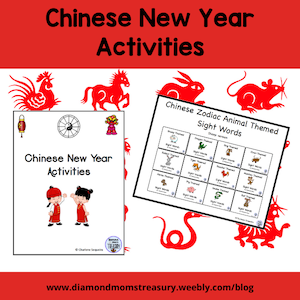 Groundhog Day comes right after Chinese New Year this year. It is fun to find out if the groundhog will predict more winter or an early spring. With all the snowstorms and floods we have had this winter, so far, where I live, an early spring would be welcome. Here is a Groundhog Day Activity booklet of math and literacy ideas that I created that might be fun to use for this day. If you are interested in Groundhog themed sight word cards, I have a set of them available also.  For 2022, a special day is coming to celebrate twos. It is the second day of the second month of the twenty-second year of this century. Wow! What a great opportunity to work with numbers and enjoy this event. Maybe Groundhog Day could be combined with Twos Day. Here is a resource I created for this day. It can also be used at other times of the year. 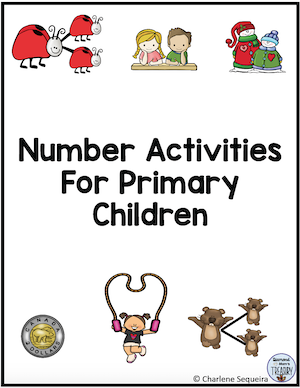 Of course, when you mention February, people immediately think of Valentines Day. There are so many different activities and crafts available to celebrate this day of friendship and love. Here are some that might be of interest to you. Valentines Sight words and bingo Valentines Day Math And Language Games Numbers And Number Words Match Themed Place Value Practice
Do you celebrate the hundredth day of school? I know that this is a popular celebration at many elementary schools where I live. It is a day to do everything "Hundreds". At schools that I worked at, we would have tables set out in the hallways to display collections of a hundred. Primary classes would sometimes get together to do activities as well. Here is an activity resource that might be of interest for One Hundred Days at School. 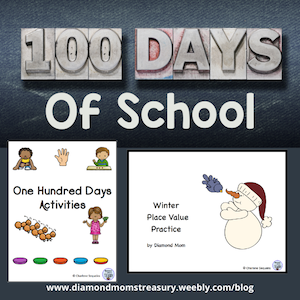 Well, there you have it. A bunch of ideas and resources to make your special days fun for your students. I hope you enjoy these days of celebration.   Related Posts
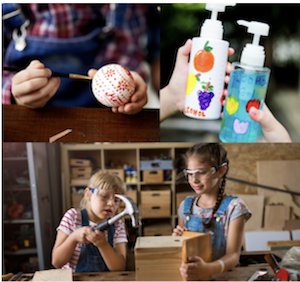
Round Up Of DIYDIY activities can be fun to make and they can also be a great gift or fundraising opportunity. At my school the grade 5 and 6 classes participated in a program called Young Entrepreneurs. I was intrigued when I saw the different things they created. I thought it would be interesting to see if my grade 3 class would be able to do something similar. Of course, it needed some modifications, but we took a chance and we managed to create many different products and then do a fundraiser sale for a special field trip. You can find out more here.  Here is a round-up of some of the different diy products that we did for the fundraiser. I wrote separate posts for 3 of them. You can check out the others in my post about the spring fundraiser. They were fun to make and easy to do so even younger children were able to participate. DIY Fancy Bell Pencils I Spy Jars DIY Stress Balloons 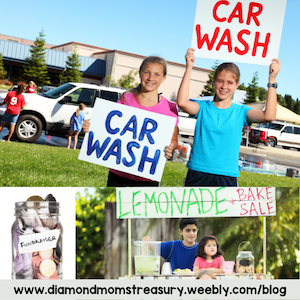 DiY activities are great for making special gifts for special occasions. Here are some that were made for mothers and fathers for their special days. DIY Father's Day Gift Idea Mother's Day Ideas For Special Ladies DIY Dad's Bug Kit DIY Tic Tac Toe Boards Father's Day Gift Ideas For Special Men 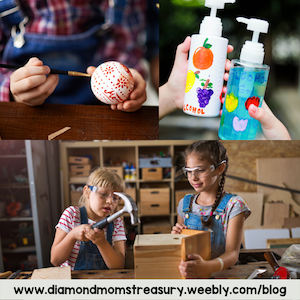 Christmas is a time when special keepsakes can be made. Here are some that my kids made. Christmas Stained Glass Project DIY Christmas Stained Glass Art Project Easy DIY Christmas Gifts Kids Can Make 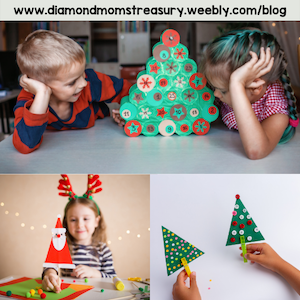 Of course, there are also DIY projects that can be subject based. Here is a hand clock that we made that was a real hit. DIY Hand Clocks  These are only a few ideas that might be fun to try. There are many others, but I will leave them for now. The key is to find things that will spark the imagination and then watch as the creativity happens.  Happy DIYing!  Special Days And Holidays RoundupFor the next couple of weeks I will be sharing information about different subjects in roundup posts. I have gone through my blog posts and selected a few that I feel will be helpful for your planning during the new year. Since we are still dealing with a pandemic, some of the posts will be suitable for online teaching as well as in person teaching. The first roundup is a collection of ideas, resources, and thoughts about special days and holidays. Hopefully it will provide you with some resources, ideas and inspiration as you map out the next year.  It makes sense to start with the New Year!. There are many special days in winter. We have Groundhog Day, Hundreds Day, Chinese New Year, And Valentines Day just to name a few. Here are some blog posts that share winter ideas and special activities for the New Year. A New Year And A Fresh Start (good for both online and in person) Winter Fun And Celebration Math And Language Activities For January-February Celebrations Groundhog Day Activities  Spring time brings more fun as the weather improves and we begin to focus on our Earth. We also begin to think about mothers and fathers and celebrate their special days. Here are some posts that share resources and ideas for these special days. Earth Day Activity For Kids Celebrating Mothers And Fathers Mothers Day Ideas For Special Ladies Fathers Day Ideas For Special Men  Back to School is a big topic, so I will save it for a different time. In Canada, September is a time when we focus on Terry Fox and the Marathon of Hope that he started over 40 years ago. Check out the following post for information about this event and some free posters. Over Forty Years Later Terry Fox Is Still Remembered As A Canadian Hero  Thanksgiving comes earlier in Canada, but these ideas and resources are suitable for both Canadian and American Thanksgiving celebrations. Thanksgiving Math And Language Activities Thanksgiving Writing Template And Posters How An Attitude Of Gratitude And Thanks Is Good For Mental Health  Halloween is a fun time for kids. Here are some ideas and resources for blending skill development and fun. Halloween Parts of Speech Halloween Math and Literacy Fun How You Can Still Teach While Having Fun With Halloween  November 11th is an important day in history. In Canada we celebrate Remembrance Day, and in the United States Veterans Day is celebrated. Here are some ideas and resources that work for these two celebrations. Remembrance Day Veterans Day Friendship And Acts Of Kindness Remembering Our Veterans Why Is It Important to Teach Our Kids About November 11 And Our Veterans?  Christmas is also a big topic that requires it own post. I have several ideas that will make the season fun. There are many different ideas and resources that will be great for next year. Check them out in a future post.  Well, there you have it. This is just a sampling of ideas, but hopefully it is enough to give you some inspiration for ways to celebrate the many different special days and holidays throughout the year.   |
About Me Charlene Sequeira
I am a wife, mother of 4, grandmother of 9, and a retired primary and music teacher. I love working with kids and continue to volunteer at school and teach ukulele. 

Categories
All
|


 RSS Feed