Welcome To My Blog |
|
Welcome To My Blog |
|
|
For some, summer break is just beginning, and for others, it is halfway through. This is a time for having fun, enjoying family time and friends, and taking time away from school studies. However, learning and practicing skills doesn't have to end. It just needs to be approached in a different way. Just think of all the different things that can be done during the summer that can be turned into learning experiences. All we need to do is stop and take a closer look and we can see math and science all around us. We can learn about social studies and practice our skills during our outdoor adventures.  Camping ActivitiesCamping is a great way to explore nature and learn more about the environment. It's a family time that can lead to many adventures and discoveries. There are many different types of activities that can be done that can enrich the learning experience. Go on hikes and explore the trails and the different scenery. This provides opportunities to make comparisons between different areas and what can be found there. It's also a great way to get exercise. Going on nature walks is a great way to get to learn more about the different plants and animals that are local to the area.  Scavenger Hunt And Nature ArtOrganize a scavenger hunt where family members search for specific plants, insects, rocks, and other natural items. Create a scavenger hunt list that includes different types of leaves, birds, insects, and rocks. As you find each item, discuss interesting facts about them. For example, talk about the lifecycle of a butterfly or the different types of rocks and how they form. This activity promotes observation skills and teaches about local plants and animals. Use natural materials collected during the scavenger hunt to create art projects. Make leaf rubbings, paint rocks, or create a nature collage. This promotes creativity and appreciation for nature.  Beach AdventuresSpending time at the beach and summer vacations go hand in hand, so use this time to have fun and learn at the same time. Depending on where the beach is and what kind of water body it is can provide different experiences. Rivers and lakes will be different from the sea or ocean and they will provide a different landscape to discover. Depending on where you are, you can collect shells, build sandcastles, and explore tide pools. This could be a great time to discuss the purposes and similarities or differences of the different water bodies as well how they behave in different manners.  Vacation TravelsIf you go on trips or outings, have children keep a travel journal. They can write about the places they visit, draw pictures, and note interesting facts. This activity enhances writing skills and geographical knowledge. Before leaving, check out different special activities, landmarks, and events that may be happening and plan to incorporate some of these in your itinerary. You could explore local museums that focus on art, history, science or culture. You could also attend local festivals to experience traditional music, dance, food and crafts. These are all good ways to learn about the culture and history behind the celebrations. If you are going to areas that are more isolated or away from city centers, you could do activities that explore the area and create memories of the experiences.  Day Trip ActivitiesIf you wish to stay close to home or take day trips, there are many types of activities that can be done to enrich learning experiences. Here are a few ideas. Spend a day at a science center or planetarium. Participate in hands-on experiments and watch educational shows about space and science. Visit aquariums and zoos to learn about marine life and animals. Attend feeding sessions and educational talks. Visit a local farm to learn about agriculture and animal care. Participate in activities like picking fruits, feeding animals, and milking cows. Go geocaching, and search for hidden caches while learning about the locations you visit.  It's important for kids to have fun this summer and enjoy being with family and friends. But I would also like to encourage you to help them take some time to learn more about the world around them and keep building on the skills they learned throughout the school year. This will set them up for success in the new school year.    Related Posts
There's no better way to capture a child's interest and spark his imagination than to create things to demonstrate learning. This could be a model, a poster, task cards, a game, a diorama, a play, or a podcast just to name a few. When children are engaged and motivated, they tend to learn more deeply and they are more passionate about their project.  There are many different types of projects that can be done based on the subject and concepts that are to be studied. Today, I would like to focus on some projects that work well with the primary social studies topics of families and communities. Community projects and researchAssigning research projects where children investigate different aspects of their community, such as its history, economy, or cultural heritage and present their findings through presentations, posters, or multimedia projects develops research skills, information literacy, and a deeper understanding of the community's development.  Heritage ProjectWe often study about families and look at family trees in the early grades. I wanted to take this further, so I developed a project that studied family heritage. To find out more about it and why it was important to me, check out this post. The goal of the project was to learn more about what make us unique and special. It was a great way to research different cultural aspects of various countries and share them with others. Check out the project here. 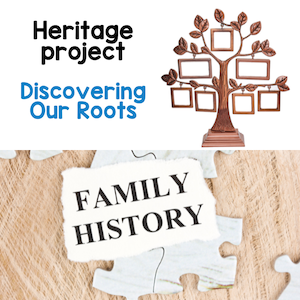 Flat Family ProjectMany people are probably familiar with Flat Stanley and the project that began with sending cutouts of Flat Stanley around the world and recording adventures with him. Then people began sending cutouts of themselves to record these adventures. I decided to take this a step further as part of our heritage studies. We created flat families and journals that we mailed to family members in different parts of the world. The families took photos of activities together and made journal entries to share. They returned these journals along with special mementos to the children. It was so exciting to watch the faces of the children when a package arrived and the contents were shared with the class. This Flat Family project has been set up for others to try. You can read more about it here. 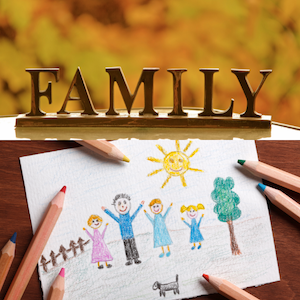 Creating A 3D Community ProjectLearning about communities and what they need is important. What better way to make sure that they understand what they have learned than to create a 3D community. This was a fun project that wowed the parents and other classes, not only because of its appearance, but also because of how much the kids could share that they had learned. Check it out here. If you would like to learn more about how we created it, check out this blog post. 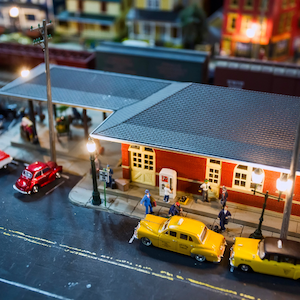 These are just 3 different projects that can be done. If you are interested in other projects, check out my social studies category. I hope you find doing projects as successful as I did.  Related Posts
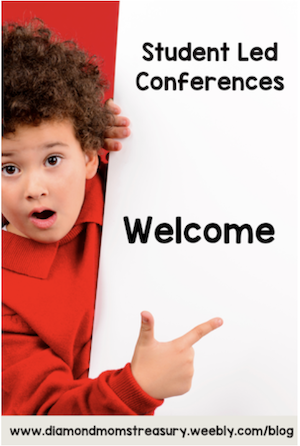
Are classroom disruptions, kids not listening, friends bickering, and an unsettled environment driving you nuts? This was how I felt at the beginning of some school years until I made some changes to create harmony and a respectful, caring environment the norm. 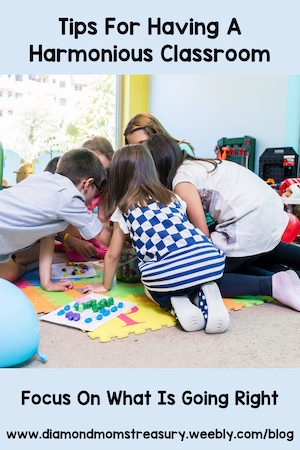 I remember one year, prior to school happening, we had a professional development day that caused me to rethink how I approached my class. During the keynote address, we were challenged with "Focus on what is going right in the world". We were encouraged to find what was positive and good and change our focus to that instead of letting the negative drive our day.  That makes lots of sense, and it's probably something everyone wants to do, but the reality is, when negative things are happening around us, we can easily get derailed and begin focusing on that instead. I made a conscious effort that year to change my approach and it helped me to get through some very challenging years with surprising success.  One thing I did was find ways for kids to save face after negative situations and give them opportunities to start fresh. I decided to work on ways to help kids remain in the classroom and not be sent out for misbehaviors. This was definitely challenging at times, and I admit, I wasn't always able to do so. I did have to maintain the safety of all my students, so there were times when I had no other choice.  I started to focus on behaviors in the classroom that I wanted others to emulate. This was the start of my positive freckles. I had some small happy face stickers that I would put on the faces or hands of kids that I noticed doing things that I wanted others to do. It was fun to see how the kids reacted as they headed out to recess with freckles and how others in the class wanted to have the same. 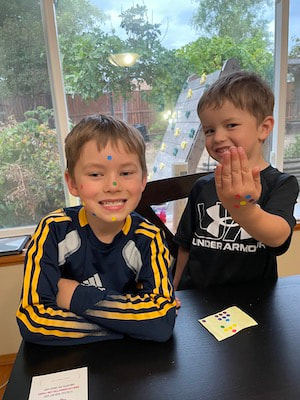 I also started handing out student tickets for work habits and other behaviors that I noticed during seat work time. These were collected in a container and at the end of each week I would draw names for prizes. (I collected small toys and trinkets for them to choose from.) I made sure that those who were struggling to behave positively were recognized as sometimes it is easy to overlook them for the ones who are always doing what is expected. It is important to make sure that they feel they have a chance or they will give up. 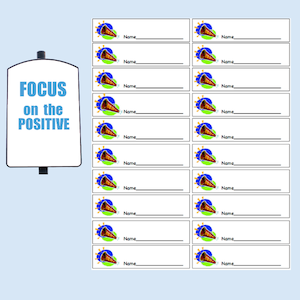 The school started up a Gotcha program where tickets were handed out around the school for behaviors noticed by different staff members. Recognition was given to the students and some were rewarded with special treats at assemblies. This tied in nicely with the student tickets I was using in my classroom.  There are several different variations of recognizing positive behaviors that have been used in classrooms. Another one that is quite popular is the warm fuzzy jar. This jar collects notes or objects and is used to acknowledge class behaviors and ultimately earn a class reward. The cool thing about this idea is the class can decide together what to work towards as a reward and the students can support each other so that they can earn the reward as a team. 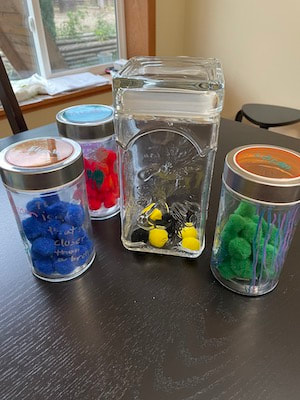 Sometimes there may be a student who requires more support to move in a positive direction. This will look different for each child, but ultimately, it will require a cheering section (classmates and teacher) and consistency. Giving attention for positive behaviors usually will help to overcome the need for getting attention by negative behaviors. It may take a long time and you may not see immediate results, but I believe that if we help kids develop positive self esteem they will behave more positively. 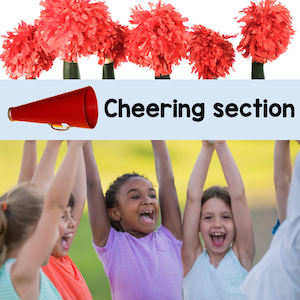 Parents can also use some of these ideas to help with behaviors at home. Tensions rise as kids unwind after a long day at school and parents come home tired after a day at work. It is easy to have patience with other people, but it takes way more effort and patience to handle your own kids without frustration. Try using the warm fuzzy jar or some other type of recognition for positive behaviors and see how it goes. 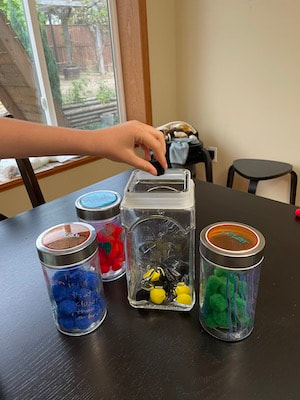 I set up these warm fuzzy jars for my grandchildren when they were feeling overwhelmed from moving to another city, getting ready to start a new school, and missing their friends and cousins. With all the stress and emotions, listening and being respectful and kind to each other was slipping and everyone was getting frustrated. Things calmed down quickly when they had something visual to focus on and tensions lessened. This didn't end some of the behaviors, but it did create more positive interactions and the negative behaviors were less frequent. In this case, each child decorated a jar and had colored pompoms to collect. A family jar was also created. When everyone was working together and the parents decided it merited a pompom they added one to this jar. The goal of reaching a certain number of pompoms for a special family treat was the incentive. 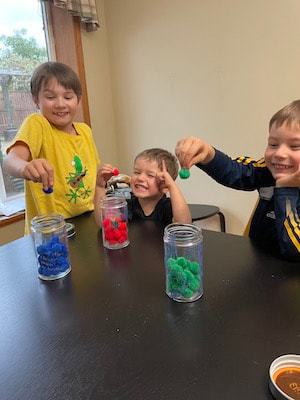 Note: The other day I called them and they were excited to tell me they had more pompoms in their jars. They also helped with these pictures so you could see it in action.  I encourage you to "focus on what is going right" and use whatever tools or ideas work for you to create harmony and a respectful, caring environment in your classroom or at home. Everyone will benefit from working together in a positive environment and this will enhance learning as well. If you haven't figured it out yet, I am a fan of student led conferences. Since I was introduced to this format in the early nineties, I have been constantly blown away with the positive effects it has had on both my students and their parents. If you haven't tried them before, I encourage you to do so. You will be amazed at how well they can work.  What are student led conferences?Student led conferences are meetings where your students get to talk to their parents about their schoolwork, show what they're proud of, and talk about what they want to learn. It's like a special meeting where your students are the teachers, and their parents get to listen and learn about their progress. This helps them feel proud, confident, and more involved in their learning. It's a chance for them to talk together, celebrate successes, and make plans for the future. A small portion of the meeting time includes you, as the teacher. This is a time for sharing concerns, observations, and successes noticed in both personal and academic growth.  Benefits of student led conferencesThere are many benefits with conducting student led conferences. Here are a few key ones. Ownership of learning: The students become active participants in assessing and presenting their own progress, developing a sense of responsibility and accountability. Communication skills: Leading a conference helps students to practice their communication skills. They learn to articulate their thoughts, explain their accomplishments, and express their learning experiences to a real audience. Confidence builder: Successfully presenting their work and progress boosts students' self-confidence and self-esteem. This experience helps them recognize their abilities and builds a positive self-image. Parent involvement: Student-led conferences provide parents with a deeper understanding of their child's learning journey. They gain insight into their child's strengths, challenges, interests, and overall educational experience. Positive parent-child interaction: Student-led conferences encourage open and positive communication between parents and children. Parents have the opportunity to listen to their child's perspective and celebrate their accomplishments. Self reflection and goal setting: Students participate in self-assessment and reflection activities, identifying their strengths and areas for improvement. They set academic and personal goals, promoting a growth mindset and a commitment to continued improvement. 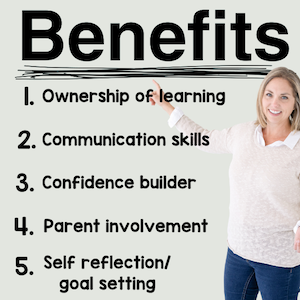 What kinds of activities happen during a student led conference?There are so many different kinds of activities that can be done during a student led conference. What you choose should be based on the following goal: The goal of student led conferences is to provide an opportunity for kids to take ownership of their learning and showcase their progress to their parents or guardians. These conferences should empower students to be actively involved in the conversation about their education. Here are some activities and components that kids can engage in during student-led conferences: Tour of classroom centers and areas of learning Work folder presentation and discussion Goal setting and reflections Interactive activities with parents Parent-child discussions Meeting with the teacher  How to prepare ahead of timePreparing for a student-led conference involves careful planning, organization, and collaboration between students and teachers. It begins with introducing the idea to your students and letting them know what it is, how it works, and its purpose. It is important to make sure that your students understand what their role is and that they are prepared ahead of time. Explain the different components of the conference, such as work folder presentations, goal setting, and discussions. Begin gathering work samples early on and allow your students to choose some of their best work to showcase during the conference. This could be assignments, projects, artwork, and written reflections. Help students to assess their own progress, strengths, areas for improvement, and personal goals. Provide some worksheets or templates to help them to articulate these ideas. Practice communication skills and role playing to help prepare your students for their role in the conference. Do activities to practice speaking clearly, making contact, and engaging with their audience. Make sure that parents understand the purpose of the student led conference and how they can support their children during it. Set up meeting times and send out invitations. Create a conference folder for each student that includes their work samples, self-assessment sheets, and any other relevant materials.  How I ran my student led conferencesOver the years, I ran my student led conferences in a similar fashion. I figured out what worked for my teaching style and I created a plan using that as my starting point. Before the conferences were set to begin, I did lots of role playing with my students. The kids especially loved taking on the role of the parents for other students and it was fun to see how they rose to the challenge as they went through the motions of doing a conference. Each child had a folder of work and an agenda to follow for the conference. Parents were informed ahead of time that the conferences could take up to 45 minutes, but that it was important not to rush the child. Some parents had more than one child's meeting, so they were told that If they had to leave for another appointment, they were welcome to return afterward. During the conferences, I had my room set up with a separate area for meeting with me so that 3 groups could be in the room at the same time, but there was some privacy during the meet the teacher part of the agenda. I always had a math or literacy activity for them to do together with their parents. It was fun to see how they used their skills or concepts for these activities. Parents were totally engaged in working with their children. The end of the meeting was the best part because the parents wrote a letter to their child and then filled in a reflection sheet. The children beamed when they read the letters. If you are interested in checking out the materials and forms that I used, you can find them here. 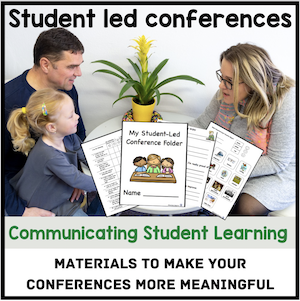 If you are wondering if student led conferences will work for you, I encourage you to give it a try. You may need to make some modifications along the way, but the benefits for the parents and children make it worth it.  Remember: The goal of student led conferences is to provide an opportunity for kids to take ownership of their learning and showcase their progress to their parents or guardians. These conferences should empower students to be actively involved in the conversation about their education. Related Posts
As the weather begins to warm up and the sunshine brightens our days, other things can warm our heart as well. This is the time of year to think about special people and all that they have done for us. From caring for us to little acts of kindness, we have been blessed to have these people in our lives. Special Days For Special PeopleSome of the most popular special celebrations at this time of the year are Mother's Day, Father's Day, Teacher Appreciation Day/Week, and Volunteer Appreciation. Here are a few ideas and resources to help with these celebrations.  Mother's Day/Father's DayAs family dynamics change, it makes it more difficult to focus on some celebrations, Mother's Day and Father's Day are two that have been traditionally celebrated over the years and time has been spent making gifts and cards at school for these special days. However, it is more complicated now and we need to take into consideration those who might find this a challenge and help them to feel included and comfortable participating. If a mother or father is not part of the picture, a special lady or special man in the person's life can be the focus instead.  Mother's Day (Special Lady) There are many special women that can be acknowledged on this day. They may be mothers, grandmothers, aunts, step mothers, foster mothers, friends of the family, neighbors, or even teachers. These women are special for various different reasons, but they are important in our lives. If a child has more than one "mother figure" and wishes to celebrate these special ladies, it's important to give them that opportunity. Here are some resources that may be of interest for Mother's Day. Mother's Day Certificates Mother's Day Booklets And Cards Special Mother's Day Coupons And Acrostic Special Day Coupons, Templates And Acrostics (for mothers, fathers, and generic)  Father's Day (Special Man) As with mothers, kids may want to celebrate different special men in their lives. They may be fathers, grandfathers, uncles, step fathers, foster fathers, friends of the family, neighbors, or even teachers. These men provide different roles in their lives, but they are important to the child. Opportunities need to be provided to acknowledge them as well. Here are some resources that may be of interest for Father's Day. Father's Day Cards For Dads And Other Special Men Father's Day Cards And Posters Special Day Coupons, Templates And Acrostics (for mothers, fathers, and generic)  Teacher Appreciation Day/WeekTeachers do so much for our children. It is only fitting that they be celebrated. They have had a tough time during these last few years dealing with the pandemic and the residual effects of varied learning experiences as a result. They continue to show up and give their all every day, even when they are struggling. Teacher appreciation day or week, depending on where you are, is just a small acknowledgement of their impact on our children's lives. Every little thank you token of appreciation is special to them. Don't forget to let them know how much you appreciate them. Support staff and educational assistants are also important and should be included in these celebrations. There are so many things they do to help teachers and support learning.  Volunteer AppreciationMany schools have volunteer appreciation days or teas to thank volunteers for all they do for the school. This could be the parent groups, classroom helpers, individual parents, or people from the community. All of these people help the programs and school run better. Helpers are always needed, and we want to make sure they are not taken for granted. Every school or district is different, but here is an example from what we have done at our school. The classes would meet in the gymnasium and the volunteers would be invited to enter after every class was there. The students would give them a standing ovation as they entered the gym. This would be followed by some entertainment and then a strawberry tea. The students would be in class or outside playing while the tea was happening. The senior students would serve the volunteers. Place mats and thank you cards were made for the tables. Plants were also provided to decorate and then take home. Here are some place mats and thank you cards that I created for use at our tea. Helping Hands Thank You Notes  Whatever the special occasion, it's a chance to say thank you and let people know that you appreciate them. So many times people feel taken for granted and this little acknowledgement can warm their hearts and help them to keep going.  Thank you to all the special people in my life. You have given me so much and I truly am blessed to have you as part of my life. I may not say it often enough, but I do appreciate you. Related Posts
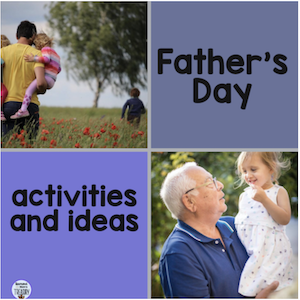
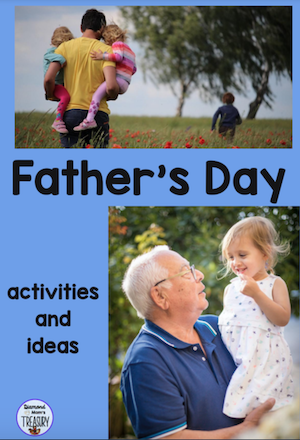
It is Christmas! Christmas has been very different for the past couple of years due to the pandemic and restrictions. It is nice to have a more normal Christmas break this year. I am really happy to have a family Christmas. Last year, my daughter's family tested positive for Covid on Christmas Eve and we needed to quickly make different plans. The longterm home where my mother-in-law lives went into very strict restrictions on New Year's Eve and for 3 months I was the only person allowed to see her. Not what we were hoping for. It made the holidays bittersweet. Our Christmas wishes became musical videos for each other. Here is the one we shared last Christmas. Our kids also made music videos for us. Here is a parody our son made to ours. Here are the family videos made by some of our kids and their families. Carols and music are a special part of Christmas. I hope you enjoy listening to these ones. I know they have special meaning for us, but they can also bring joy to others as we think of Christmas and family time. Finally, this is my daughter and her kids singing Away In The Manger for a virtual Christmas service for her church. I could go on and on about music and how it has impacted our family, but let's just say it is more than a hobby. It is something that is of great meaning to us. As you can see from this photo, even the grandchildren play musical instruments. I am pretty sure we will have other musical moments to share in the future. 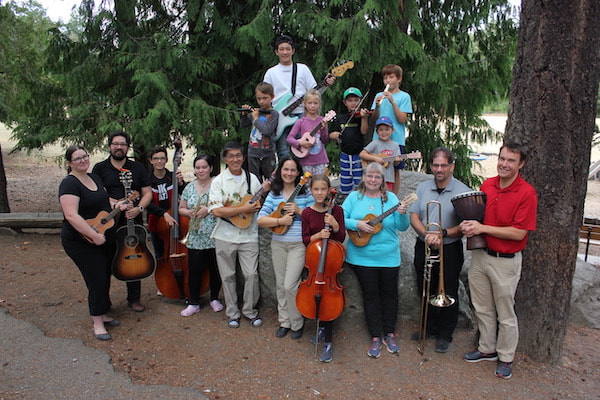 I hope that you are able to have some special moments with family this holiday season. Enjoy your holiday break. See you in the New Year.   Preparing for Father's DayJune is coming and this is a time for celebrating Father's Day with dads and other special men. This can create a wide range of emotions for kids. Celebrating our fathers and spending time thinking about them and all they mean to us is easy for most of us, but there are many situations where it is not as easy, and it can even be traumatic. Does this mean that we shouldn't do things to recognize fathers? I guess that is a question for each teacher to decide. For me, I still think it is important, although I do think it can be approached in a more inclusive way.  There are often situations where the father is not part of the family unit. In these cases, there are possibly other men who fill some of that void and act as a father figure. They could be uncles, step dads, foster dads, grandfathers, a family friend, teacher, even an older brother. These special men could be celebrated on this day and recognized for all they do.  Sometimes the relationship between a father and child is not good. The child may not feel comfortable creating something for the father. Maybe there could be some choice as to whether to do something for another special person, or to create something more generic. It is up to you as the teacher to help the child to feel comfortable during the activity and sometimes this may be differentiating in a unique way for individual children.  Ultimately, we want to be able to celebrate people for how they positively impact our lives. During discussions with our students, this can be a focus. Gratitude is very important to understand and teach. This is one of the ways we can do this. In a "Me" world, it is necessary to actually help kids understand the importance of thinking about others and being grateful for all we have and for all that others do for us.  Some Father's Day Ideas That Celebrate Special MenIf you are making a gift, it can be used for anyone if it doesn't have the word "father" or "Dad" on it. You could create cards for special people and leave out "Happy Father's Day". You could do writing activities that are about special people and what makes them special. You could do acrostics using different words that fit the special men in their lives. 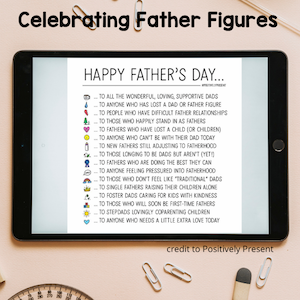 Father's Day cards are always a hit. I have created a couple of different packages of cards. Father's Day Cards and Posters Father's Day Cards For Dads And Other Special Men   Related Posts
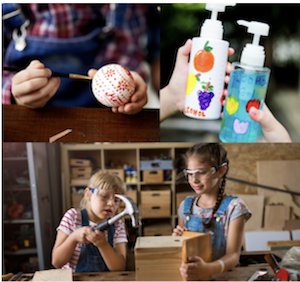
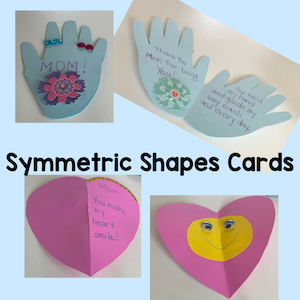
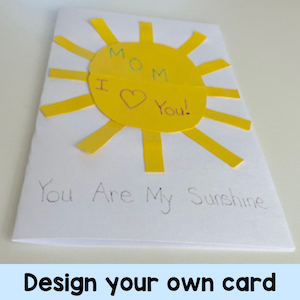
Who Are Special Ladies?Mother's Day is a time for celebrating special ladies. These could be moms, aunts, grandmothers, foster moms, cat moms, dog moms or any lady that is special and deserves to be celebrated. I know this can be a difficult time for some children, because they may not have a mom or they may not have a situation that they want to celebrate, but we can always find a special lady in our lives, so I would encourage you to help these kids find a special woman that means something to them. Hey, it could even be a teacher.  If you are like many teachers, you probably have a stash of dollar store items for creating things. Over the years, I collected many different things for my classroom. I also liked doing crafts with my grandkids, so I collected things for them as well. When a special occasion comes up, I go to my stash and I start to let the creativity flow. I never know what it will be until I start putting things together. Of course, I start with simple ideas like cards or bookmarks, and go from there. 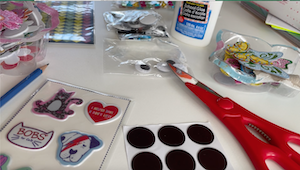 Some special cards for Mother's DayHere are a couple of card ideas I put together to show what you can do. I started with a folded shape that opens up to a symmetrical pattern. You can choose any shape you would like, but for the example I chose a hand and a heart. Note: If you are teaching symmetry in math, this is a great activity to practice what has been learned. Another card example was a basic one with a sun on it and a blank page inside for writing a special message. Again, this could be any shape or design, I just felt like using the sun because it was a bright sunny day outside.
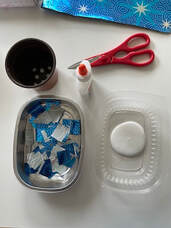
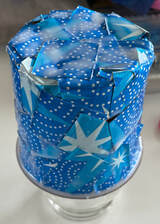
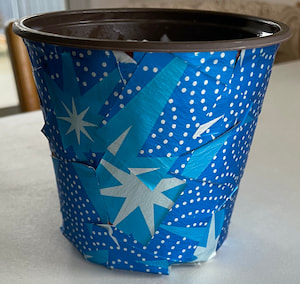
Bookmarks are easy to make and are fun to use. There are many different types of bookmarks you can try. Here are some with fancy toppers. Just add your own message and you are set. Hint: Laminate the bookmarks after you add the message, but before you add the toppers, so that it is easier for writing out the message. 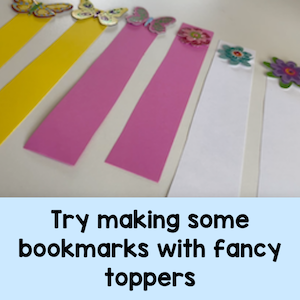 A Unique Flower PotIt is spring time, so there are many different pots available from seedlings that are ready to put into the garden. It is also the time of year when many classes study plants and grow beans or other seeds and then give them as gifts. What better time to decorate pots for the plants to go into. It is actually very easy to make a decorative pot. You can use acrylic paint and create designs on it or you can decopage it. You don't require any fancy materials to do this. I often used wrapping paper cut into small cubes and a mixture of white glue and water. You can buy the commercial product, but the glue mixture works just as well. Once the pot is dry, I spray it with an acrylic spray to give it a shine.
Each time you make something, you can add a twist to make it different and unique. Let your creativity flow as you try out new ideas. Imagination has no limitations! 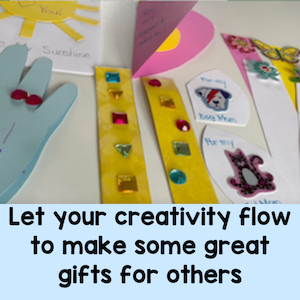 I hope you have some fun as you come up with new ideas for your students. I would love to hear about some of them.  For free resources, tips, and ideas, sign up for my newsletter.  Related Posts
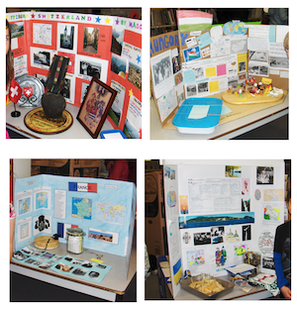
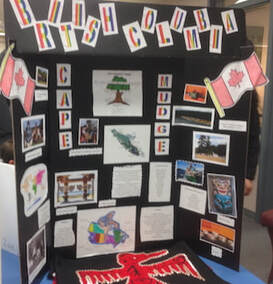
How to help children learn about their family heritageTeaching about family and cultural diversity can be fun, but also tricky. It is a time when some people may find it difficult to share or investigate their roots. I learned this as a fairly new teacher. I hope to be able to help change this. 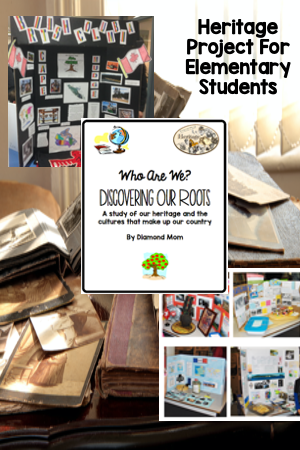 I had a young girl who was afraid to let people know about her background because she had been teased at a former school. She chose to use her mom's last name instead of her dad's last name because she didn't want people to know her nationality. This really disturbed me. How could people make such a young person feel like this? It was so bad, that when her half sister came to visit, she didn't want to share about her visit because they would hear her name and tease her. (at our school this would not have been the case, but she didn't realize that) I decided that I needed to do something about this. I wanted my students to be able to celebrate their heritage and be proud of it, not ashamed. I decided to create a unit where they could research the places where their families came from and share different traditions, cultural activities, food, and even special articles or memorabilia. 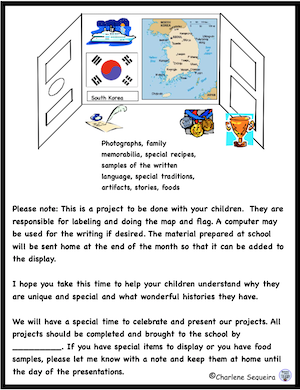 At the time that this unit was forming in my mind, my son was teaching in South Korea, and I had an exchange student from the place where he was teaching. This allowed me to work with the young student at the same time. (He had very limited English, so I was able to support him with his research and presentation.) I called the unit Who Are We? Discovering Our Roots. This unit was far more successful than I ever imagined. Every child created an incredible display of who they were and shared enthusiastically with others when we did a school wide presentation and a presentation to parents. We had music, food, special items that were from their culture and fabulous backdrop displays, The best part was, that everyone was excited to celebrate who they were, even my little girl who was so afraid earlier. As a matter of fact, she shared both her father's and her mother's roots. 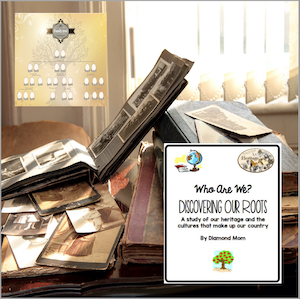 I decided to recreate this unit a few times throughout my teaching career, and each time I was thrilled to see how enthusiastically the kids embraced who they were and shared their traditions with others.
A few years ago, I learned about people sending cutouts of themselves around the world on adventures. I discovered that this was something that came from an idea based on the Flat Stanley books written by Jeff Brown. I thought this would be fun to do, but I decided to put more of an educational twist on it. I decided that we would send out flat families around the world to different relatives that lived far away from us. That is how the Flat Family Project was born. 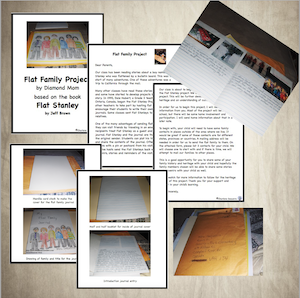 I did this project a couple of times before I retired and it was so much fun for the kids. Each child sent away a journal and a hand drawn picture of their family along with a letter and a return envelope. Throughout the following weeks packages arrived at the school filled with journal entries and photographs of the flat family adventures. Many also included special items from their family members that would be cherished keepsakes for years to come. I did have a couple of students that were unable to connect with a family member elsewhere, but they were still able to participate. I contacted some of my cousins and they said they would get their children to help out. It was so good to know that everyone would be able to take an adventure and receive a parcel back. (I did check with the students' families to see if they were okay with this.) One of the families even sent back a book for our class with an inscription and drawing of their flat family. 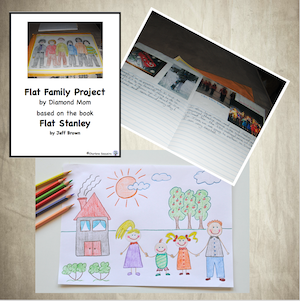 If you would like to check out either of these projects, you can find them here. I know that I would be doing them again if I was still in the classroom.   Related Posts
Thanksgiving And GratitudeThere is always occasion to be thankful and to show gratitude, but at this time of the year, it is a main focus here in Canada. Next week is Thanksgiving and despite all that is happening around us in the world, there are many things to be thankful for. This is the time to stop and take time to remember and recognize the good things and the things that we have been blessed to have or experience. This is especially important right now for our mental health.  Of course, this may not be an easy task for many because of all the negative stuff we are bombarded with daily, but it is very important for our own mental well being and for our interactions with others. It is hard to be positive and happy when all we hear and see each day is negative. We need to start filling up our buckets and those around us with gratitude and blessings. As we begin to focus on these things, our attitudes will change and we will be able to be more positive and productive. People will want to be around us rather than avoid us and we will ultimately fill more buckets and spread kindness around us.  One way we can begin is to review what bucket filling is and why it is important. We can also start a gratitude journal and write down a list of things that we are grateful for. Another activity that works well is a compliment sheet for others. Often we don't realize that we are helping others feel good and doing things that they appreciate. A compliment sheet allows others to share what they notice or appreciate. It is amazing to watch kids beam when they see that they have made a difference for others.  I have created some seasonal gratitude journals. You can check them out here. I am giving a free copy of the fall journal for you to try. Get your free copy now.  For most people, Thanksgiving time is a special time for family. It is a time to gather together and share a meal and just enjoy being with each other. Last year, many of us didn't have the opportunity to get together because of the pandemic. Sure, we were able to meet through video chats, but it was not the same. It really brought home how much gathering together was important when we weren't able to do so. I am hoping that we can make up for that this year and really look forward to being with everyone. I hope that you are too. 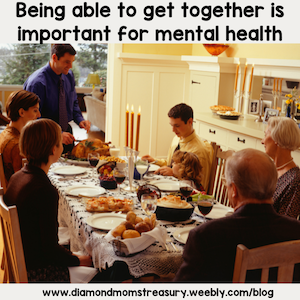 Of course, not everyone will have a happy time during the Thanksgiving weekend. We need to be aware of those who may have challenges and try to help them to have a reason to be thankful too. This might be helping out at a soup kitchen and sharing smiles and stories with others. It might be inviting someone who is all alone over to join you for dinner. Each situation will be different and the options will need to fit in with the families doing the giving and sharing, but if everyone does something to make it a happier time, we will all benefit. The saying, "Giving is better than receiving" never was truer. There is no better time to help change the outlook for people from a negative, hopeless view to a positive and hopeful view. Together we can help make this happen. 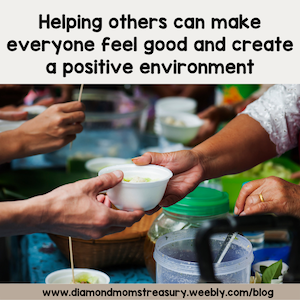 Of course, there are also all of the typical types of activities done at school that can be included as reading, writing, or math activities to help the kids focus on the meaning of Thanksgiving. These are important learning activities, but I still feel that we need to go further than just sharing information. We need to adopt a kindness attitude. What better time to do acts of kindness than now.  Acts of kindness can be very simple and free. Sometimes people think they need to spend money to give to others. A smile, helping hand, visit, or phone call can also help to make someone's day better. We can help in so many ways if we just stop and think about others and how we can make their day a little brighter. If we do acts of kindness for others, we will set the example for our students, and our own families.  I believe that an attitude of gratitude and thanks will make the world a better place. If we are grateful for what we have, we will have a positive outlook on life. We will be able to share this with others and fill our buckets and theirs too. It truly is important for good mental health.  Don't forget to grab your free copy of the fall gratitude journal here. For free resources, tips, and ideas, sign up for my newsletter.  |
About Me Charlene Sequeira
I am a wife, mother of 4, grandmother of 9, and a retired primary and music teacher. I love working with kids and continue to volunteer at school and teach ukulele. 

Categories
All
|









 RSS Feed